
Home » ITSM
Category Archives: ITSM
ITIL(r) 5 Product, Service, Experience modules released
Axelos/Peoplecert announced the official release of these 3 modules on March, 12th. All modules and appropriate exams are available now, focusing on synchronizing product and service lifecycle in Experienced value delivery.
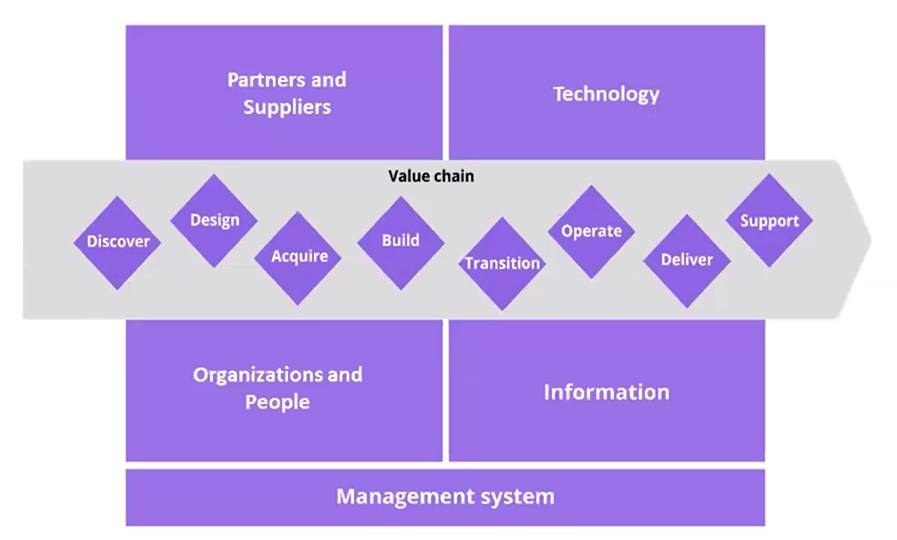
Fig. 1 Combined Product and Service Value chain –
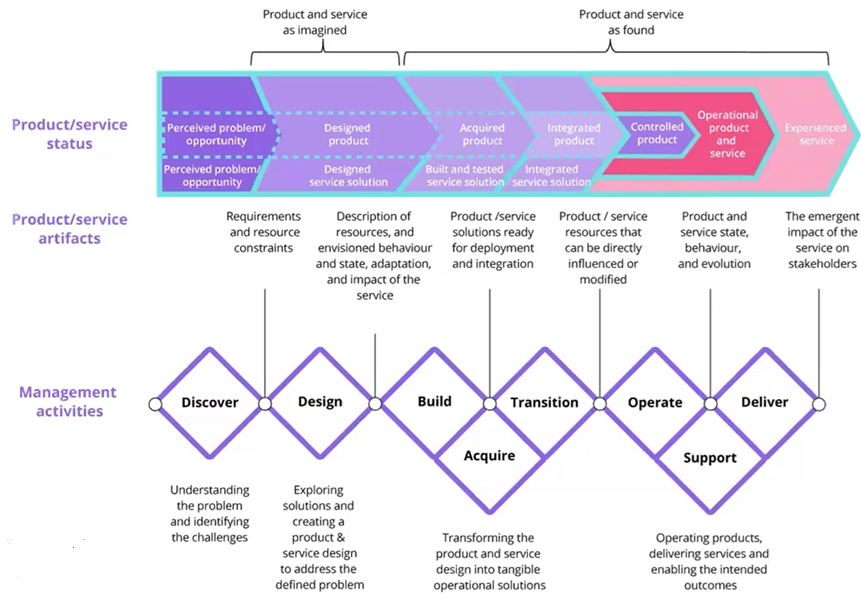
Operational model canvas –
Our Service Desk course received “The Highest Rated” status
Our Service Operations & Service Desk management online course received “The Highest Rated” status by Udemy.
AI module in IT Service management online course
Our course IT Service management has a new module now – AI in ITSM.
Learn which roles can AI play in ITSM – boring and generative. We discuss risks, achievements, challenges and advantages of applying AI for IT service management.
Join or Retake our course NOW!

AI applying for Service Desk
Our online course – Service operations and Service Desk – got a new module – AI in Service Desk.
Join our course here.


We’re DevOps accredited training provider!
We’re happy to announce that services gained again the prestigious Training Provider and Accredited trainer status.
Join our online courses and purchase individual consulting!




Challenges in moving to DevOps Culture
Axelos, famous for its ITIL(r) and PRINCE(r) frameworks, issued a series of publications on DevOps culture and DevOps engineering.
In this publication our authors discuss the presented 4 challenges/barriers on the organization’s road to DevOps culture.
“1. An organization’s structural barrier keeps DevOps teams from thriving:
Organizational structure barriers are easy to spot but difficult to change.These organizational structural barriers include the following:
a) the excessive layers of anxious middle management which stand between ideas and their execution,
b) pathologically siloed organizational structures with no history of or incentives to engage in collaboration, and
c) senior-level executives who are not able, willing, or skilled to lead digital disruption in the company.
2. Cultural habits an fears prevent individuals and teams from innovating: for 25% of global enterprise IT organizations, a change in culture is one of the top three challenges they are facing (Upskilling IT 2023). Culture refers to the organization’s informal patterns that signal to people which behaviors are right and which behaviors define you as difficult.
The challenges can be summarized as:
a) not bringing the right people into the organization or not keeping and developing them once there,
b) aversion to risk-taking and proposing innovative ideas, and existing habits of seeing past failures and successes inhibit change.
3· Existing processes, bureaucracy, and procedural hurdles challenge even motivated staff members and teams: existing complex processes hamper the ability to make changes as there are too many dependencies and constituencies to connect. For 15% of IT enterprise organizations, the lack of innovative operating models hampers their progress. Existing processes and procedures are important as they are useful in getting things done, but they also cause issues if there is too much emphasis on internal processes and procedures versus the focus on outcomes.
4· Technology trends will continue to drive challenges: although there are a variety of technology topics that are interesting, exciting and might provide a variety of benefits, technology challenges are unavoidable, but the continuous adoption of technology continues to increase the technical debt. For 31% of IT enterprise organizations, managing technical debt and/or avoiding technical debt is a significant challenge. “

Service Desk Predictors (Leading indicators)
Service desk predictors (or leading indicators) module is added to our Service Desk KPIs e-learning course. In this module you learn how to develop and measure subjective predictors which help us to predict ad solve issues before they happen, and thus reach high KPIs.


ITSM vs DevOps e-learning course is improved with adding Scrum for Operations module
Our ITSM and DevOps e-learning course is amended with a new ScrumOps module! We develop and improve our course instantly to follow the best world practices.
 Smart Learning